Items filtered by date: May 2025

Running shoes and walking shoes are designed with different purposes in mind, and choosing the right type is important for comfort and injury prevention. Running shoes are built to handle the higher impact and greater force that occurs with each stride. They typically offer more cushioning, flexibility, and support in key areas, such as the heel and forefoot. In contrast, walking shoes are designed for a more consistent, rolling motion of the foot and often feature a more rigid sole with support focused on the arch and heel. The differences in design help accommodate the unique movements of each activity. Wearing the appropriate shoe for your chosen exercise not only improves performance but also supports long-term foot health by reducing strain on muscles and joints during regular physical activity. If you have developed foot pain from wearing the wrong type of shoes for walking or running, it is suggested that you confer with a podiatrist who can offer effective treatment remedies and guide you on what features to look for in desired shoes.

For more information about walking shoes versus running shoes, consult with one of our podiatrists from Omega Podiatry. Our doctors can measure your feet to determine what your needs are and help you find an appropriate pair of footwear.

Foot Health: The Differences between Walking & Running Shoes

There are great ways to stay in shape: running and walking are two great exercises to a healthy lifestyle. It is important to know that running shoes and walking shoes are not interchangeable. There is a key difference on how the feet hit the ground when someone is running or walking. This is why one should be aware that a shoe is designed differently for each activity.

You may be asking yourself what the real differences are between walking and running shoes and the answers may shock you.

Differences

Walking doesn’t involve as much stress or impact on the feet as running does. However, this doesn’t mean that you should be any less prepared. When you’re walking, you land on your heels and have your foot roll forward. This rolling motion requires additional support to the feet.

Flexibility – Walking shoes are designed to have soft, flexible soles. This allows the walker to push off easily with each step.

If you have any questions, please feel free to contact our offices located in Los Angeles, Huntington Park, and Reseda, CA . We offer the newest diagnostic and treatment technologies for all your foot care needs.

Read more about Differences between Walking and Running Shoes

An ingrown toenail occurs when the edge of a toenail grows into the surrounding skin, leading to pain, swelling, and sometimes infection. This condition most commonly affects the big toe and may result from improper nail trimming, wearing tight footwear, or injury. When conservative treatments like warm soaks or antibiotic ointments fail to relieve symptoms, ingrown toenail surgery may become necessary. The procedure involves removing part or all of the nail to prevent further discomfort and infection. It is a simple outpatient treatment that provides lasting relief for those who experience frequent or severe ingrown toenails. Recovery time is usually brief, with most individuals returning to normal activities within a few days. If you have an ingrown toenail, it is suggested that you promptly visit a podiatrist who can offer treatment options and assess the need for  surgery. 

Foot surgery is sometimes necessary to treat a foot ailment. To learn more, contact one of our podiatrists of Omega Podiatry. Our doctors will assist you with all of your foot and ankle needs.

When Is Surgery Necessary?

Foot and ankle surgery is generally reserved for cases in which less invasive, conservative procedures have failed to alleviate the problem. Some of the cases in which surgery may be necessary include:

  • Removing foot deformities like bunions and bone spurs
  • Severe arthritis that has caused bone issues
  • Cosmetic reconstruction

What Types of Surgery Are There?

The type of surgery you receive will depend on the nature of the problem you have. Some of the possible surgeries include:

  • Bunionectomy for painful bunions
  • Surgical fusion for realignment of bones
  • Neuropathy decompression surgery to treat nerve damage

Benefits of Surgery

Although surgery is usually a last resort, it can provide more complete pain relief compared to non-surgical methods and may allow you to finally resume full activity.

Surgical techniques have also become increasingly sophisticated. Techniques like endoscopic surgery allow for smaller incisions and faster recovery times.

If you have any questions, please feel free to contact our offices located in Los Angeles, Huntington Park, and Reseda, CA . We offer the newest diagnostic and treatment technologies for all your foot care needs.

Read more about Foot and Ankle Surgery

If you are suffering from tenderness, pain, or stiffness in the joints of your feet or ankles, call us to schedule an appointment.

Tuesday, 13 May 2025 00:00

When Heels Will Not Heal

Heel ulcers can start small but often grow into serious wounds that are slow to recover. These open sores usually appear on the back of the heel and may begin with redness, dryness or thickened skin. People with diabetes or poor circulation are especially at risk, as the skin on their feet can break down more easily. Pressure from walking or shoes that do not fit well can make the problem worse. Over time, the skin may crack, drain or develop a scab that never quite closes. Treatment involves relieving pressure, cleaning the area carefully and often using special dressings or prescribed medications. In more advanced cases, a podiatrist may need to remove dead tissue to encourage healing. If you notice a sore on your heel that does not improve, it is suggested you see a podiatrist for diagnosis and appropriate treatment.

Wound care is an important part in dealing with diabetes. If you have diabetes and a foot wound or would like more information about wound care for diabetics, consult with one of our podiatrists from Omega Podiatry. Our doctors will assess your condition and provide you with quality foot and ankle treatment.

What Is Wound Care?

Wound care is the practice of taking proper care of a wound. This can range from the smallest to the largest of wounds. While everyone can benefit from proper wound care, it is much more important for diabetics. Diabetics often suffer from poor blood circulation which causes wounds to heal much slower than they would in a non-diabetic. 

What Is the Importance of Wound Care?

While it may not seem apparent with small ulcers on the foot, for diabetics, any size ulcer can become infected. Diabetics often also suffer from neuropathy, or nerve loss. This means they might not even feel when they have an ulcer on their foot. If the wound becomes severely infected, amputation may be necessary. Therefore, it is of the upmost importance to properly care for any and all foot wounds.

How to Care for Wounds

The best way to care for foot wounds is to prevent them. For diabetics, this means daily inspections of the feet for any signs of abnormalities or ulcers. It is also recommended to see a podiatrist several times a year for a foot inspection. If you do have an ulcer, run the wound under water to clear dirt from the wound; then apply antibiotic ointment to the wound and cover with a bandage. Bandages should be changed daily and keeping pressure off the wound is smart. It is advised to see a podiatrist, who can keep an eye on it.

If you have any questions please contact our offices located in Los Angeles, Huntington Park, and Reseda, CA . We offer the newest diagnostic and treatment technologies for all your foot and ankle needs.

Read more about Wound Care
Tuesday, 06 May 2025 00:00

Treating Heel Pain in Growing Kids
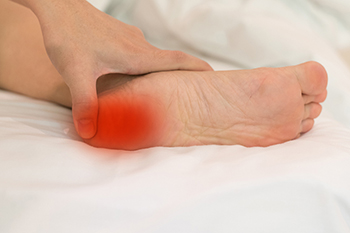
Sever's disease, known as calcaneal apophysitis, is a common source of heel pain in growing children. Conservative management typically consists of reducing high-impact activities, easing pain and inflammation, and performing gentle stretches to relax tight calf muscles. Rest and wearing supportive footwear are beneficial in alleviating pressure on the heel. Other treatment methods may include the use of custom orthotics to improve foot alignment, or, in persistent cases, immobilization with casts to allow the heel to heal. Overall, treatment is individualized based on the child, the severity of symptoms, and daily activity demands. If your child displays worsening heel pain or discomfort, it is suggested that you see a podiatrist for a proper diagnosis and appropriate treatment.

Sever's disease often occurs in children and teens. If your child is experiencing foot or ankle pain, see one of our podiatrists from Omega Podiatry. Our doctors can treat your child’s foot and ankle needs.

Sever’s Disease

Sever’s disease is also known as calcaneal apophysitis, which is a medical condition that causes heel pain I none or both feet. The disease is known to affect children between the ages of 8 and 14.

Sever’s disease occurs when part of the child’s heel known as the growth plate (calcaneal epiphysis) is attached to the Achilles tendon. This area can suffer injury when the muscles and tendons of the growing foot do not keep pace with bone growth. Therefore, the constant pain which one experiences at the back of the heel will make the child unable to put any weight on the heel. The child is then forced to walk on their toes.

Symptoms

Acute pain – Pain associated with Sever’s disease is usually felt in the heel when the child engages in physical activity such as walking, jumping and or running.

Highly active – Children who are very active are among the most susceptible in experiencing Sever’s disease, because of the stress and tension placed on their feet.

If you have any questions, please feel free to contact our offices located in Los Angeles, Huntington Park, and Reseda, CA . We offer the newest diagnostic and treatment technologies for all your foot care needs.

Read more about Sever's Disease

Connect With Us