
Dealing With Chronic Instability in the Ankles

Chronic ankle instability causes the ankle to repeatedly feel weak, wobbly, or ready to give way. The problem usually affects the outer side of the ankle and can occur while walking, exercising, or simply standing. It frequently begins after one or more ankle sprains. A sprain stretches or tears the ligaments, which are strong bands of tissue that support the joint. When an injury does not heal fully, the ankle can remain loose and poorly controlled. Symptoms include ongoing discomfort, swelling, and tenderness. The ankle may keep turning on uneven ground or while playing sports.

Each new sprain can further weaken or stretch the injured ligaments. This creates a cycle of repeated injury and increasing instability. Damage can also affect balance and the ankle muscles that help control movement. This can limit exercise, work duties, and other daily activities. Without proper care, chronic instability can contribute to cartilage damage and ankle arthritis. A podiatrist will ask about earlier injuries and when the ankle gives way. The examination includes checking swelling, tender areas, and joint movement. The podiatrist may also assess strength and balance. X-rays can reveal bone injuries or arthritis, while other imaging tests can show ligament or cartilage damage.

Treatment depends on the degree of instability, test results, and the patient’s activity level. A podiatrist can provide an ankle brace to support the joint and help prevent another sprain. A guided exercise plan can improve strength, balance, and control. Custom orthotics may improve foot alignment and help the ankle move more steadily. Early evaluation can protect the joint from repeated injuries and support a safer return to activity. If you frequently experience the feeling that your ankle is giving way, it is suggested that you schedule an appointment with a podiatrist for a diagnosis and appropriate treatment.

Ankle pain can have many different causes and the pain may potentially be serious. If you have ankle pain, consult with one of our podiatrists from Omega Podiatry. Our doctors will assess your condition and provide you with quality foot and ankle treatment.

Ankle pain is any condition that causes pain in the ankle. Due to the fact that the ankle consists of tendons, muscles, bones, and ligaments, ankle pain can come from a number of different conditions.

Causes

The most common causes of ankle pain include:

  • Types of arthritis (rheumatoid, osteoarthritis, and gout)
  • Ankle sprains
  • Broken ankles
  • Achilles tendinitis
  • Achilles tendon rupture
  • Stress fractures
  • Tarsal tunnel syndrome
  • Plantar fasciitis

Symptoms

Symptoms of ankle injury vary based upon the condition. Pain may include general pain and discomfort, swelling, aching, redness, bruising, burning or stabbing sensations, and/or loss of sensation.

Diagnosis

Due to the wide variety of potential causes of ankle pain, podiatrists will utilize a number of different methods to properly diagnose ankle pain. This can include asking for personal and family medical histories and of any recent injuries. Further diagnosis may include sensation tests, a physical examination, and potentially x-rays or other imaging tests.

Treatment

Just as the range of causes varies widely, so do treatments. Some more common treatments are rest, ice packs, keeping pressure off the foot, orthotics and braces, medication for inflammation and pain, and surgery.

If you have any questions please feel free to contact our offices located in Los Angeles, Huntington Park, and Reseda, CA . We offer the newest diagnostic tools and technology to treat your foot and ankle needs.
Read more about Ankle Pain

Common Causes of Blisters on the Feet

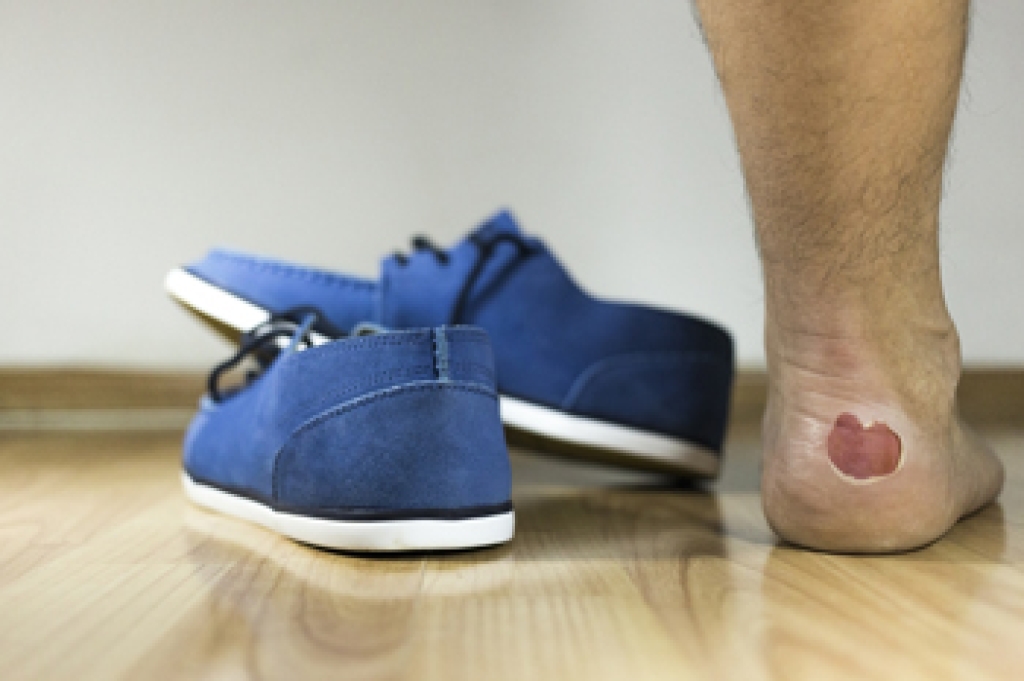
Foot blisters are small, fluid-filled pockets that develop when the skin is damaged or irritated. They commonly appear in areas exposed to repeated rubbing, pressure, or moisture. Symptoms may include tenderness, redness, and a raised area filled with clear fluid. Wearing poorly fitted shoes, increasing activity quickly, or walking for long periods of time can increase the risk. Most blisters heal with protection, but recurring or unusual blisters deserve professional evaluation.

Frostbite is another possible cause of foot blisters and develops when skin and underlying tissues freeze after prolonged exposure to extreme cold. Blisters may appear after the affected area begins warming. Frostbite can also cause numbness, pale or bluish skin, and severe pain. Risk increases with extended cold exposure, wet footwear, and inadequate protection. Frostbite requires prompt medical attention because deeper tissue damage can occur. Do not intentionally pop frostbite blisters.


An allergic reaction can also cause blistering when the skin reacts to an irritating substance or allergen. New footwear materials, adhesives, or topical products may trigger contact dermatitis. Symptoms can include itching, redness, swelling, and small blisters. Fungal infections are another potential cause, particularly when athlete’s foot affects the skin between the toes. Fungal symptoms may include itching, scaling, and fluid-filled areas. Warm, damp environments and sweaty footwear increase infection risk.


A podiatrist can examine the skin, review your footwear and activities, and determine the likely cause of recurring blisters. Treatment may include protecting the area, recommending appropriate footwear, or addressing an allergic trigger. For suspected frostbite, urgent medical evaluation is important. Avoid popping blisters unless specifically directed by a podiatrist, and keep the area clean and protected. If you frequently develop blisters on your feet, it is suggested that you consult a podiatrist for effective relief and prevention tips, an accurate diagnosis and appropriate treatment.

Blisters are prone to making everyday activities extremely uncomfortable. If your feet are hurting, contact one of our podiatrists of Omega Podiatry. Our doctors can provide the care you need to keep you pain-free and on your feet.

Foot Blisters

Foot blisters develop as a result of constantly wearing tight or ill-fitting footwear. This happens due to the constant rubbing from the shoe, which can often lead to pain.

What Are Foot Blisters?

A foot blister is a small fluid-filled pocket that forms on the upper-most layer of the skin. Blisters are filled with clear fluid and can lead to blood drainage or pus if the area becomes infected.

How Do Blisters Form?

Blisters on the feet are often the result of constant friction of skin and material, usually by shoe rubbing. Walking in sandals, boots, or shoes that don’t fit properly for long periods of time can result in a blister. Having consistent foot moisture and humidity can easily lead to blister formation.

Prevention & Treatment

It is important to properly care for the affected area in order to prevent infection and ease the pain. Do not lance the blister and use a Band-Aid to provide pain relief. Also, be sure to keep your feet dry and wear proper fitting shoes. If you see blood or pus in a blister, seek assistance from a podiatrist.

If you have any questions, please feel free to contact our offices located in Los Angeles, Huntington Park, and Reseda, CA . We offer the newest diagnostic and treatment technologies for all your foot care needs.

Read more about Blisters

How Podiatrists Treat a Broken 5th Metatarsal

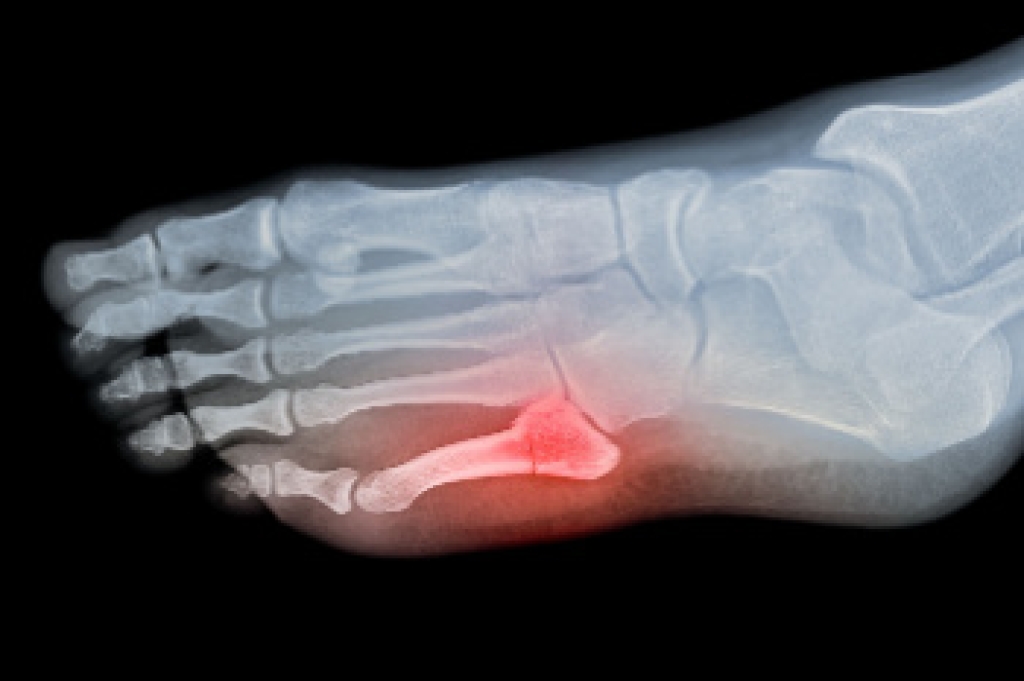
A broken fifth metatarsal affects the bone along the outer edge of the foot. This bone connects the smallest toe to the middle of the foot. A break can follow a sudden twist, landing, or fall. Repeated stress from running or jumping can also cause a small crack. Symptoms include pain, swelling, and bruising near the outside of the foot. Patients may struggle to put weight on the injured foot. Because a sprain can feel similar, an accurate diagnosis is important.

Several types of fractures can affect the fifth metatarsal, and the location of the break influences treatment and healing. A break near the base of the bone can occur when a tendon or ligament pulls off a small piece of bone. This is called an avulsion fracture. A Jones fracture occurs slightly farther along the bone, in an area with limited blood flow. For this reason, a Jones fracture can be slower to heal. A stress fracture usually starts as a tiny crack caused by repeated force. A podiatrist examines the foot, asks how the injury happened, and checks where it hurts. X-rays usually show the break. Additional imaging tests can help when an early stress fracture does not appear clearly.

Treatment aims to hold the bone steady and protect it while it heals. Your podiatrist may prescribe a boot, cast, or crutches based on the type of break. The doctor will also explain how much weight you can place on the foot and when activity can safely increase. Follow-up X-rays help show whether the bone is joining correctly. Surgery may be needed when the bone pieces have shifted, the fracture is not healing, or the patient is extremely active. A podiatrist can also guide the safe return to work, exercise, and sports. If you have injured the outside of your foot, it is suggested that you schedule an appointment with a podiatrist for a diagnosis and appropriate treatment.

A broken foot requires immediate medical attention and treatment. If you need your feet checked, contact one of our podiatrists from Omega Podiatry. Our doctors can provide the care you need to keep you pain-free and on your feet.

Broken Foot Causes, Symptoms, and Treatment

A broken foot is caused by one of the bones in the foot typically breaking when bended, crushed, or stretched beyond its natural capabilities. Usually the location of the fracture indicates how the break occurred, whether it was through an object, fall, or any other type of injury. 

Common Symptoms of Broken Feet:

  • Bruising
  • Pain
  • Redness
  • Swelling
  • Blue in color
  • Numbness
  • Cold
  • Misshapen
  • Cuts
  • Deformities

Those that suspect they have a broken foot shoot seek urgent medical attention where a medical professional could diagnose the severity.

Treatment for broken bones varies depending on the cause, severity and location. Some will require the use of splints, casts or crutches while others could even involve surgery to repair the broken bones. Personal care includes the use of ice and keeping the foot stabilized and elevated.

If you have any questions, please feel free to contact our offices located in Los Angeles, Huntington Park, and Reseda, CA . We offer the newest diagnostic and treatment technologies for all your foot care needs.

Read more about Causes, Symptoms, and Treatment for a Broken Foot

Understanding Grades of Ankle Sprains in Volleyball

An ankle sprain occurs when ligaments in the ankle are stretched or torn beyond their normal limits. Volleyball players risk this injury because jumping, landing, and changing direction place sudden stress on the ankle. Symptoms may include pain, swelling, and difficulty bearing weight. Risk factors include previous ankle injuries, poor balance, and awkward landings.

Volleyball ankle sprains commonly happen when a player lands on another player’s foot, rolls the ankle while moving, or loses balance while changing direction. A first-degree sprain is mild and involves ligament stretching with minor damage. Pain and swelling are usually limited, and walking may remain possible. A second-degree sprain involves a partial ligament tear, causing pain, swelling, and difficulty walking. A third-degree sprain is the most severe, involving a complete ligament tear. It may cause severe swelling, bruising, and an inability to bear weight.


A podiatrist can evaluate the ankle by reviewing how the injury occurred and checking swelling, movement, and stability. X-rays or imaging tests may be recommended if a fracture is suspected. Treatment depends on the sprain grade and may include rest from volleyball and compression, followed by gradual activity. Severe injuries may require bracing or temporary immobilization.


Preventing another ankle sprain matters because a previous injury can increase the risk of chronic instability. Players should return to volleyball gradually and follow rehabilitation instructions instead of rushing back when pain improves. Supportive volleyball shoes and balance exercises may help protect the ankle. Persistent pain or instability should receive professional attention after a landing injury. If you have sprained your ankle while playing volleyball, it is suggested that you consult a podiatrist for effective relief and treatment solutions.

Ankle and foot injuries are common among athletes and in many sports. They can be caused by several problems and may be potentially serious. If you are feeling pain or think you were injured in a sporting event or when exercising, consult with one of our podiatrists from Omega Podiatry. Our doctors will assess your condition and provide you with quality foot and ankle treatment.

Common Injuries

The most common injuries that occur in sporting activities include:

  • Achilles Tendonitis
  • Achilles Tendon Rupture
  • Ankle Sprains
  • Broken Foot
  • Plantar Fasciitis
  • Stress Fractures
  • Turf Toe

Symptoms

Symptoms vary depending upon the injury and in some cases, there may be no symptoms at all. However, in most cases, some form of symptom is experienced. Pain, aching, burning, bruising, tenderness, tightness or stiffness, sensation loss, difficulty moving, and swelling are the most common symptoms.

Treatment

Just as symptoms vary depending upon the injury, so do treatment options. A common treatment method is known as the RICE method. This method involves rest, applying ice, compression and elevating the afflicted foot or ankle. If the injury appears to be more serious, surgery might be required, such as arthroscopic or reconstructive surgery. Lastly, rehabilitation or therapy might be needed to gain full functionality in the afflicted area. Any discomfort experienced by an athlete must be evaluated by a licensed, reputable medical professional.  

If you have any questions please contact our offices located in Los Angeles, Huntington Park, and Reseda, CA . We offer the newest diagnostic and treatment technologies for all your foot and ankle needs.

Read more about Sports Related Foot And Ankle Injuries

Podiatric Care as You Age

Foot health becomes more important with age because the feet experience years of pressure and wear. Older adults may develop changes in the skin, joints, and circulation that affect comfort and mobility. The natural cushioning on the bottoms of the feet may become thinner, making walking less comfortable. Arthritis can cause joint pain and stiffness, while circulation problems may slow the healing of foot injuries. Reduced flexibility can also make foot care more challenging. Because healthy feet support balance and independence, ongoing foot pain or visible changes should not be ignored as a normal part of aging.


Certain foot problems become more common among seniors. Corns, calluses, and thickened toenails may cause discomfort or make footwear difficult to wear. Bunions and other changes in foot shape can alter pressure across the foot and affect walking. Some older adults also develop numbness or reduced sensation, especially when diabetes affects the nerves. These changes may make injuries harder to notice and increase the risk of complications. Foot pain can also change a person’s walking pattern, which may affect balance and mobility. Professional evaluation can identify problems that require treatment and determine whether another condition is contributing to symptoms.


A podiatrist can provide elderly foot care based on each patient’s health, mobility, and foot concerns. During an examination, the podiatrist may assess the skin, toenails, and circulation while checking for areas of pain or unusual pressure. Podiatric care can address problems such as painful nails, calluses, and foot deformities. A podiatrist can also monitor changes related to diabetes or poor circulation and coordinate care with other health care professionals when needed. Regular podiatric evaluations can help older adults maintain comfort, mobility, and overall foot health. If foot pain, skin changes, or mobility problems are affecting you or an older family member, it is suggested that you consult a podiatrist for an evaluation and appropriate treatment options.

If you need your feet checked, contact one of our podiatrists of Omega Podiatry. Our doctors will attend to all of your foot and ankle needs and provide you with quality treatment.

Geriatrics and Podiatry
When people age, some common issues that may occur are bone density loss, dry skin, poor circulation, and rough brittle nails. These issues may also affect your foot health if the necessary steps are not taken to alleviate the problems.

It is important to take care of your feet because feet that are injured or diseased can affect your overall health. Having painful feet hinders your ability to do daily activities or may decrease your willingness to do the things that you need to do.

Visiting Your Geriatrician
As we age, health problems become more likely, so it is essential to visit your doctor for check-ups to ensure that you are doing the best you can to take care of your health. It is recommended to check your feet frequently for any possible cuts, bruises, swelling, corns or any other irregularities. 

Taking Care of Elderly Feet
Cracked or dry feet can be treated by applying moisturizer often. It is also important not to wear old socks because the older the sock is, the higher the possibility there will be that there is bacteria there. Wear fresh socks and make sure they fit properly.

Proper foot health means that you can have a more active lifestyle and you will not be bogged down by pain. Foot health also leads to good circulation, which is paramount for overall health.

If you have any questions, please feel free to contact our offices located in Los Angeles, Huntington Park, and Reseda, CA . We offer the newest diagnostic and treatment technologies for all your foot care needs.

Read more about Geriatrics and Podiatry

Connect With Us

Advanced Podiatric Procedures & Services in the Los Angeles County, CA: Los Angeles (Long Beach, Glendale, Torrance, Pasadena, Santa Monica), Huntington Park (Downey, Norwalk, Compton, lynwood) & Reseda (Santa Clarita, Thousand Oaks, Burbank) areas