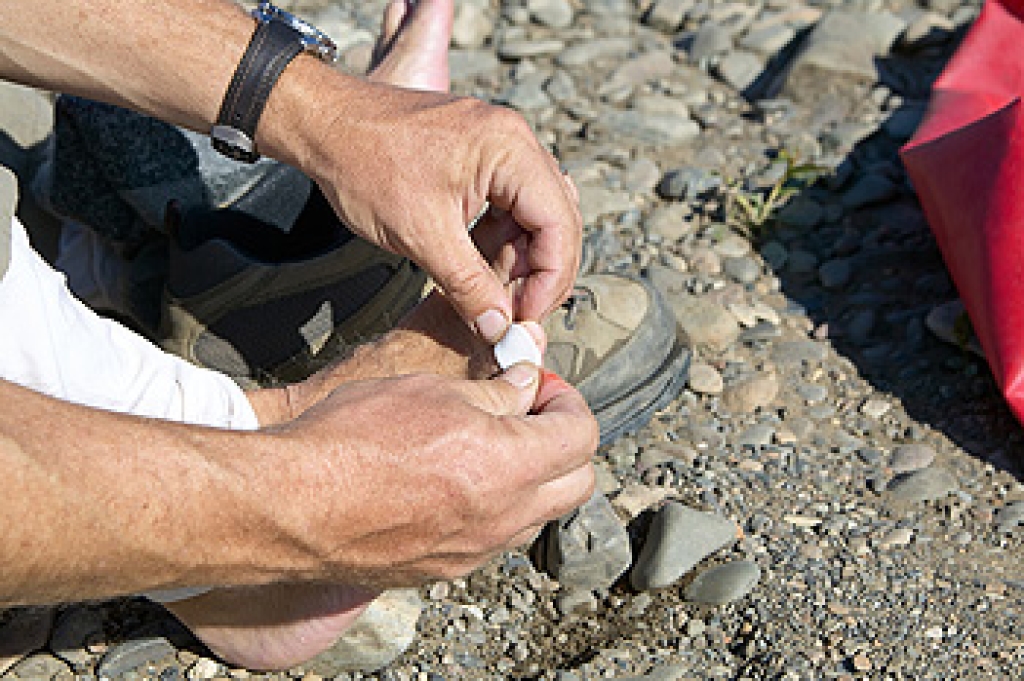
Causes of Foot Blisters From Hiking

Foot blisters from hiking are a common concern for outdoor enthusiasts and can quickly turn an enjoyable trip into an uncomfortable experience. A blister is a small fluid-filled pocket that forms on the skin due to repeated friction or pressure. While hiking, blisters often develop when there is constant rubbing between the foot and the inside of a boot. Pressure from a tight spot in the boot or even a wrinkle in a sock can irritate the skin. Moist skin is more susceptible to damage when friction occurs, which makes long hikes especially challenging for foot health.

The symptoms of a hiking blister are usually easy to recognize. A foot blister often appears as a raised area filled with clear fluid and may be surrounded by redness or irritation. Pain and tenderness are common, especially when walking or applying pressure. In some cases, the blister may burst, leading to raw skin that can increase the risk of infection. Swelling and a warm sensation around the affected area may also occur. Recognizing these symptoms early can help prevent further discomfort and complications.


Several factors increase the risk of developing foot blisters while hiking. Wearing ill-fitting boots is one of the most common causes, especially when they are too tight or too loose. Moisture from sweat or wet conditions softens the skin and makes it more vulnerable to friction. Long distances and uneven terrain can also increase pressure on certain areas of the foot. In addition, wearing improper socks or failing to adjust footwear during a hike can contribute to blister formation.


Preventing blisters involves reducing friction and keeping the feet dry and supported. Choosing properly fitted hiking boots and moisture wicking socks can make a significant difference. Checking for wrinkles in socks and addressing pressure points early can help protect the skin. If you have a foot blister from hiking, it is suggested that you consult a podiatrist for effective treatment and prevention tips.

Blisters may appear as a single bubble or in a cluster. They can cause a lot of pain and may be filled with pus, blood, or watery serum. If your feet are hurting, contact one of our podiatrists of Omega Podiatry. Our doctors can provide the care you need to keep you pain-free and on your feet.

Foot Blisters

Foot blisters are often the result of friction. This happens due to the constant rubbing from shoes, which can lead to pain.

What Are Foot Blisters?

A foot blister is a small fluid-filled pocket that forms on the upper-most layer of the skin. Blisters are filled with clear fluid and can lead to blood drainage or pus if the area becomes infected.

Symptoms

(Blister symptoms may vary depending on what is causing them)

  • Bubble of skin filled with fluid
  • Redness
  • Moderate to severe pain
  • Itching

Prevention & Treatment

In order to prevent blisters, you should be sure to wear comfortable shoes with socks that cushion your feet and absorb sweat. Breaking a blister open may increase your chances of developing an infection. However, if your blister breaks, you should wash the area with soap and water immediately and then apply a bandage to the affected area. If your blisters cause severe pain it is important that you call your podiatrist right away.

If you have any questions, please feel free to contact our offices located in Los Angeles, Huntington Park, and Reseda, CA . We offer the newest diagnostic and treatment technologies for all your foot care needs.
Read more about Blisters

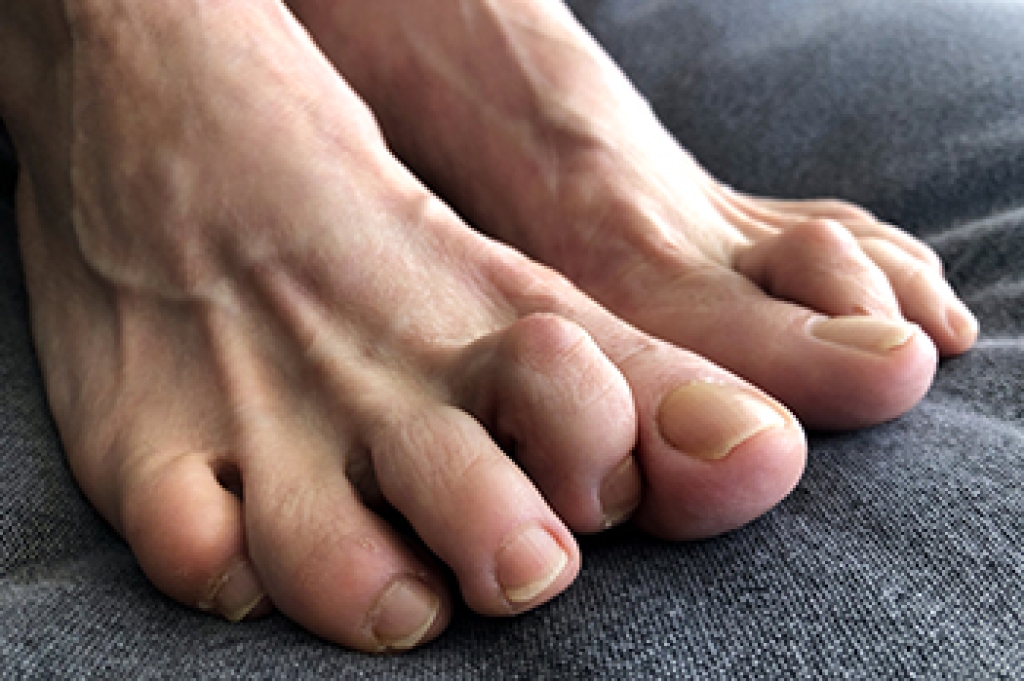
Bent Toes Can Signal a Hammertoe Deformity

A hammertoe deformity causes one of the smaller toes to bend at its middle joint instead of lying flat. The second toe is affected most frequently, although the condition can develop in other toes. It begins when the muscles and tendons that control the toe become unbalanced. This imbalance pulls the toe into an abnormal position. Possible causes include an inherited foot structure, a previous injury, or arthritis. A bunion can also push against the second toe and increase the risk of hammertoe. The joint can remain flexible at first but can later become stiff and fixed in place.

Symptoms usually develop when the bent toe rubs against the inside of a shoe. Patients can experience pain, redness, and swelling around the raised joint. A corn can form on top of the toe, while a callus can develop beneath the front of the foot. These thickened areas of skin result from repeated pressure and friction. Pain can become worse while walking or when wearing shoes with a narrow toe box. A podiatrist can examine the toe, test its flexibility, and check for related problems. Weight-bearing X-rays can show the position of the bones and the severity of the deformity.

Treatment depends on whether the toe is flexible or rigid and how much discomfort it causes. A podiatrist can recommend shoes with a deep, wide toe box to reduce pressure. Custom orthotics can improve the way weight is spread across the foot. Professional padding or splinting can also protect irritated skin and help position a flexible toe. The podiatrist can safely treat painful corns and calluses without damaging healthy tissue. Early care can help prevent increasing stiffness, skin sores, and continued pain. If you are in pain from a hammertoe deformity, it is suggested that you schedule an appointment with a podiatrist for a diagnosis and appropriate treatment.

Hammertoes can be a painful condition to live with. For more information, contact one of our podiatrists of Omega Podiatry. Our doctors will answer any of your foot- and ankle-related questions.

Hammertoe

Hammertoe is a foot deformity that occurs due to an imbalance in the muscles, tendons, or ligaments that normally hold the toe straight. It can be caused by the type of shoes you wear, your foot structure, trauma, and certain disease processes.

Symptoms

  • Painful and/or difficult toe movement
  • Swelling
  • Joint stiffness
  • Calluses/Corns
  • Physical deformity

Risk Factors

  • Age – The risk of hammertoe increases with age
  • Sex – Women are more likely to have hammertoe compared to men
  • Toe Length – You are more likely to develop hammertoe if your second toe is longer than your big toe
  • Certain Diseases – Arthritis and diabetes may make you more likely to develop hammertoe

Treatment

If you have hammertoe, you should change into a more comfortable shoe that provides enough room for your toes. Exercises such as picking up marbles may strengthen and stretch your toe muscles. Nevertheless, it is important to seek assistance from a podiatrist in order to determine the severity of your hammertoe and see which treatment option will work best for you.

If you have any questions, please feel free to contact our offices located in Los Angeles, Huntington Park, and Reseda, CA . We offer the newest diagnostic and treatment technologies for all your foot care needs.
Read more about Hammertoe

We Can Treat Your Foot or Ankle Pain

Foot or ankle pain can negatively affect your day-to-day life and can occur due to several different conditions. Pain can also be an indicator of a more serious underlying condition, which is why you should seek professional help as soon as you notice any abnormalities in your feet.

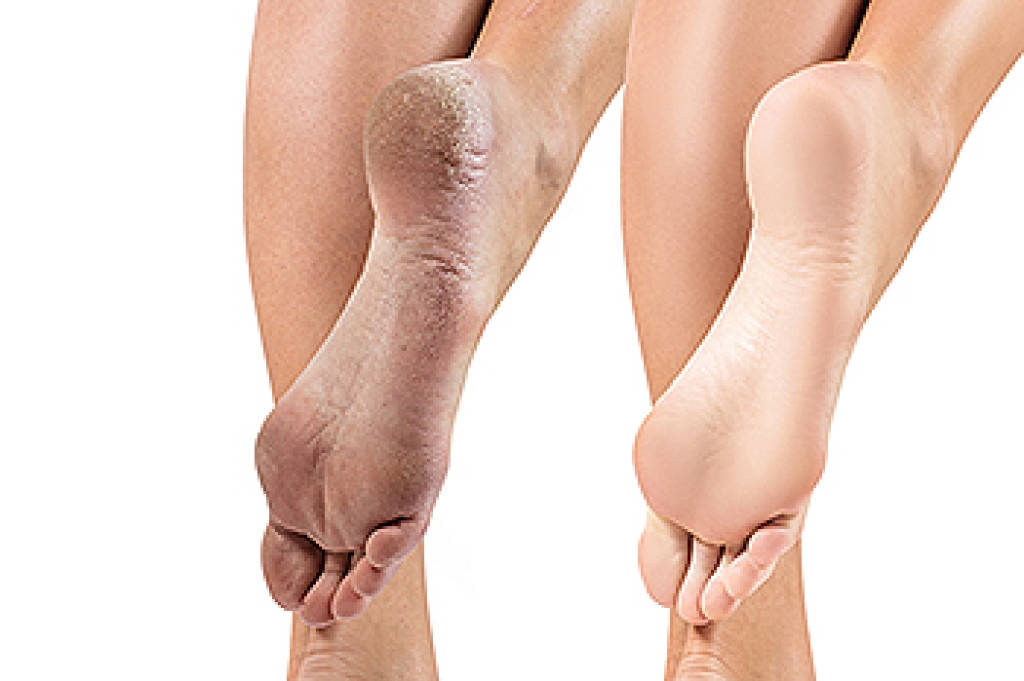
Cracked Heels Can Worsen Without Proper Foot Care

Cracked heels develop when dry, thick skin surrounding the heel loses flexibility and splits under pressure. The cracks can look like thin lines, but deeper openings can cause pain, bleeding, or tenderness while walking. Standing for long periods can place added stress on the heel. Shoes that fit poorly and open-back sandals can also let the heel spread outward. Age can raise the risk because skin becomes less flexible and produces less oil. Health problems like diabetes, psoriasis, and athlete’s foot can also contribute to cracked heels.

A podiatrist can examine the heels to determine how deep the cracks are and whether infection is present. The examination also looks for thick calluses, redness, and drainage. A podiatrist can check circulation and sensation in the feet, especially when a patient has diabetes or another condition that affects healing. Treatment includes the careful removal of hard, thickened skin with sterile instruments. This process reduces pressure near the cracks and helps the heel regain a smoother surface. The podiatrist can also apply protective dressings or recommend heel cups that support the heel’s padding. Deep cracks and termed fissures can require specialized wound care.

A podiatrist also addresses the forces that caused the skin to split. They can assess a patient’s gait, foot shape, and shoe fit. Custom orthotics can improve weight distribution when poor foot alignment places extra pressure on the heels. Advice about properly fitted, supportive shoes can help protect the skin and limit outward spreading of the heel. Regular podiatric evaluations are important for patients with poor circulation, reduced feeling, or a history of slow-healing wounds. Cracked heels should not be ignored when they bleed, become increasingly painful, or show redness and warmth. Early professional care can keep small splits from becoming deeper wounds and can lower the risk of infection. If you have painful cracked heels, it is suggested that you schedule an appointment with a podiatrist for effective treatment solutions, which may include prescribed medication. 

Cracked heels are unsightly and can cause further damage to your shoes and feet. If you have any concerns, contact one of our podiatrists from Omega Podiatry. Our doctors can provide the care you need to keep you pain-free and on your feet.

Cracked Heels

Cracked heels appear unappealing and can make it harder for you walk around in sandals. Aside from looking unpleasant, cracked heels can also tear stockings, socks, and wear out your shoes. There are several methods to help restore a cracked heel and prevent further damage.

How Do You Get Them?

Dry skin is the number one culprit in creating cracked heels. Many athletes, walkers, joggers, and even swimmers suffer from cracked heels. Age and skin oil production play a role to getting cracked heels as well.

Promote Healing

Over the counter medicines can help, especially for those that need instant relief or who suffer from chronic dry feet.

Wear Socks – Wearing socks with medicated creams helps lock in moisture.

Moisturizers – Applying both day and night will help alleviate dryness which causes cracking.

Pumice Stones – These exfoliate and remove dead skin, which allows for smoother moisturizer application and better absorption into the skin. 

Change in Diet

Eating healthy with a well-balanced diet will give the skin a fresh and radiant look. Your body responds to the kinds of food you ingest. Omega-3 fatty acids and zinc supplements can also revitalize skin tissue.

Most importantly, seek professional help if unsure how to proceed in treating cracked heels. A podiatrist will help you with any questions or information needed. 

If you have any questions, please feel free to contact our offices located in Los Angeles, Huntington Park, and Reseda, CA . We offer the newest diagnostic and treatment technologies for all your foot care needs.
Read more about Solutions for Cracked Heels

Broken Toe and Metatarsal Fracture Treatment From a Podiatrist

A broken toe or metatarsal fracture can make every step painful because these bones help support your weight and maintain balance while walking. The toes and metatarsals work together to absorb impact and provide stability with each movement. A fracture can happen after dropping a heavy object on the foot, stubbing a toe, or twisting the foot during sports or other activities. Repeated stress from running or jumping can also create tiny cracks called stress fractures. These small breaks develop gradually from repeated force instead of one sudden injury. Prompt evaluation is important because walking on an untreated fracture can lead to further damage and delay proper healing.

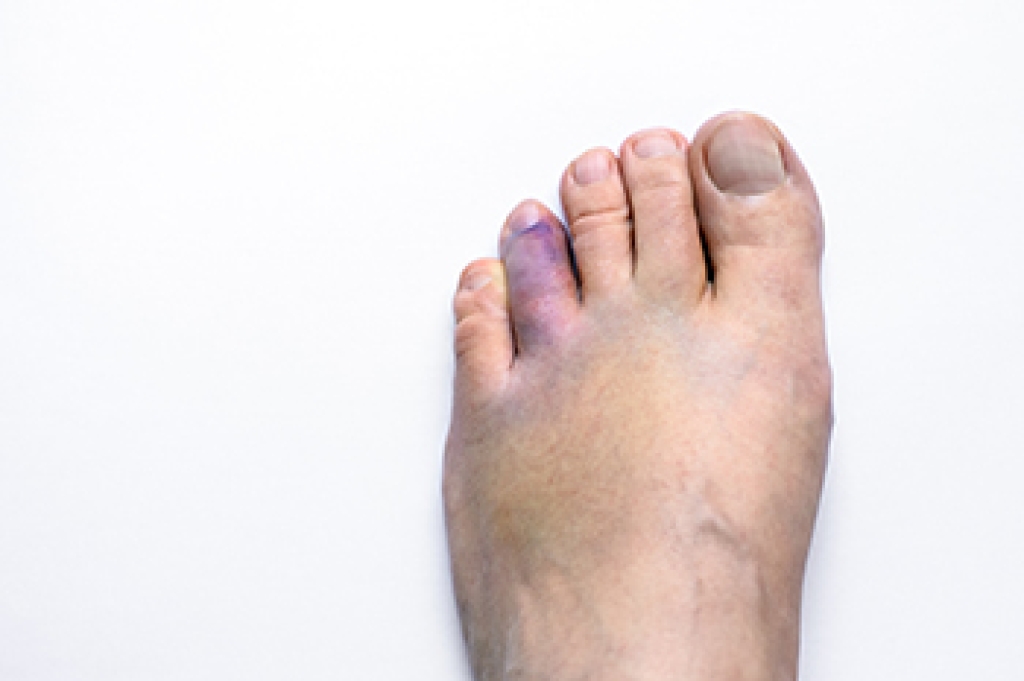
Symptoms include swelling, bruising, and tenderness around the injured toe or foot. Some people notice difficulty putting weight on the foot or pain that becomes worse while walking. Others develop visible deformity, stiffness, or swelling that does not improve. Stress fractures sometimes begin with mild discomfort that steadily increases during activity. A complete examination helps determine the location and severity of the fracture. Imaging tests like X-rays can confirm the diagnosis and guide the best treatment plan.

Podiatrists evaluate the injured foot to identify the type of fracture and determine how it affects movement and stability. Treatment depends on the location and severity of the injury and focuses on protecting the broken bone while it heals. A podiatrist also monitors healing, evaluates walking patterns, and helps reduce unnecessary stress on nearby joints and tissues. Early treatment lowers the risk of long-term pain, poor bone alignment, and ongoing mobility problems. Care also helps patients return to normal daily activities as safely as possible while protecting the injured foot from additional strain. If you have symptoms of a broken toe or metatarsal fracture, it is suggested that you schedule an appointment with a podiatrist for diagnosis and treatment.

A broken toe can be very painful and lead to complications if not properly fixed. If you have any concerns about your feet, contact one of our podiatrists from Omega Podiatry. Our doctors will treat your foot and ankle needs.

What to Know About a Broken Toe

Although most people try to avoid foot trauma such as banging, stubbing, or dropping heavy objects on their feet, the unfortunate fact is that it is a common occurrence. Given the fact that toes are positioned in front of the feet, they typically sustain the brunt of such trauma. When trauma occurs to a toe, the result can be a painful break (fracture).

Symptoms of a Broken Toe

  • Throbbing pain
  • Swelling
  • Bruising on the skin and toenail
  • The inability to move the toe
  • Toe appears crooked or disfigured
  • Tingling or numbness in the toe

Generally, it is best to stay off of the injured toe with the affected foot elevated.

Severe toe fractures may be treated with a splint, cast, and in some cases, minor surgery. Due to its position and the pressure it endures with daily activity, future complications can occur if the big toe is not properly treated.

If you have any questions, please feel free to contact our offices located in Los Angeles, Huntington Park, and Reseda, CA . We offer the newest diagnostic and treatment technologies for all your foot care needs.

Read more about What to Know About a Broken Toe

Connect With Us

Advanced Podiatric Procedures & Services in the Los Angeles County, CA: Los Angeles (Long Beach, Glendale, Torrance, Pasadena, Santa Monica), Huntington Park (Downey, Norwalk, Compton, lynwood) & Reseda (Santa Clarita, Thousand Oaks, Burbank) areas