Plantar Wart Symptoms and Effective Treatment

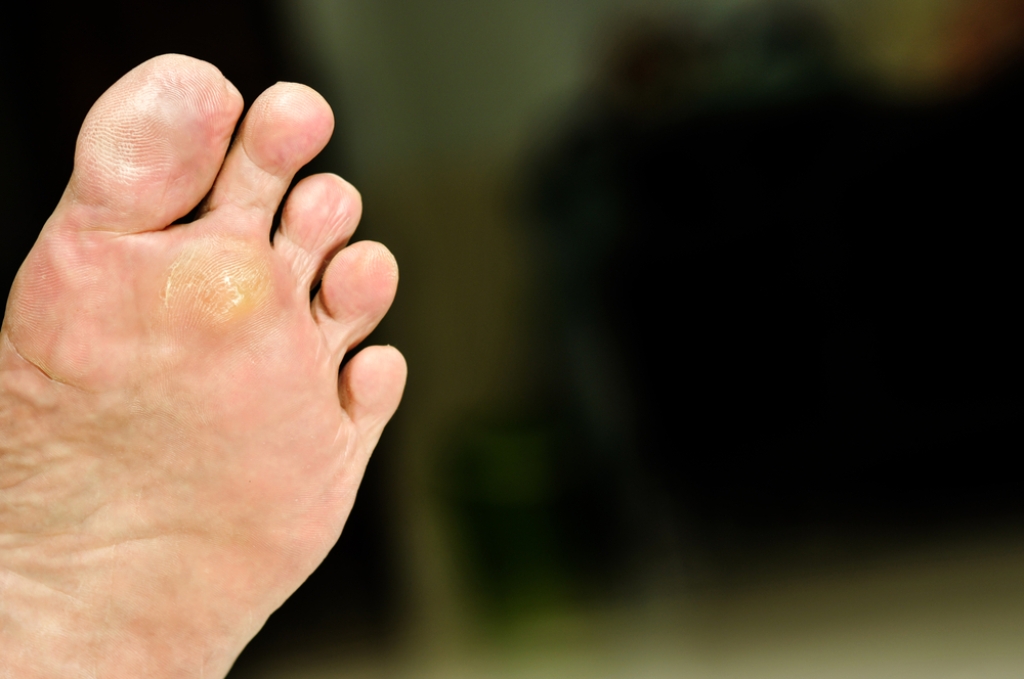
Plantar warts are growths that develop on the bottom of the foot after the skin becomes infected with the human papillomavirus, or HPV. This is a virus that enters through tiny breaks in the skin. These warts usually appear on weight-bearing areas like the heel or the ball of the foot, where pressure pushes them inward instead of outward. As a result, walking can become painful, and some people feel like they are stepping on a small pebble. Plantar warts can appear alone or in groups. They also have tiny black dots that are small, clotted blood vessels. A podiatrist can examine the affected area and determine whether the growth is a plantar wart or another foot condition.

Several factors increase the chance of developing plantar warts. Walking barefoot in public places, like locker rooms or swimming pool areas, raises the risk of exposure to the virus. Children, teenagers, and people with weakened immune systems are also more likely to develop these warts. The location of a plantar wart can change the way a person walks, which sometimes leads to discomfort in other parts of the foot. A podiatrist performs a thorough examination and can diagnose plantar warts by their appearance and location. In some cases, additional testing helps confirm the diagnosis and rule out other skin conditions.

Treatment depends on the size, location, and number of plantar warts. A podiatrist can remove layers of the wart, apply prescription-strength medications, or use freezing treatments to destroy the infected tissue. Some patients benefit from laser treatment or another advanced procedure for stubborn warts. Surgery is recommended in certain cases when other treatments do not provide enough improvement. Prompt treatment helps reduce pain, improve comfort while walking, and lower the chance of the wart spreading to nearby skin. If you have developed one or more plantar warts, it is suggested that you schedule an appointment with a podiatrist for effective relief and treatment solutions.

Plantar warts can be very uncomfortable. If you need your feet checked, contact one of our podiatrists from Omega Podiatry. Our doctors will assist you with all of your foot and ankle needs.

About Plantar Warts

Plantar warts are the result of HPV, or human papillomavirus, getting into open wounds on the feet. They are mostly found on the heels or balls of the feet.

While plantar warts are generally harmless, those experiencing excessive pain or those suffering from diabetes or a compromised immune system require immediate medical care. Plantar warts are easily diagnosed, usually through scraping off a bit of rough skin or by getting a biopsy.

Symptoms

  • Lesions on the bottom of your feet, usually rough and grainy
  • Hard or thick callused spots
  • Wart seeds, which are small clotted blood vessels that look like little black spots
  • Pain, discomfort, or tenderness of your feet when walking or standing

Treatment

  • Freezing
  • Electric tool removal
  • Laser Treatment
  • Topical Creams (prescription only)
  • Over-the-counter medications

To help prevent developing plantar warts, avoid walking barefoot over abrasive surfaces that can cause cuts or wounds for HPV to get into. Avoiding direct contact with other warts, as well as not picking or rubbing existing warts, can help prevent the further spread of plantar warts. However, if you think you have developed plantar warts, speak to your podiatrist. He or she can diagnose the warts on your feet and recommend the appropriate treatment options.

If you have any questions, please feel free to contact our offices located in Los Angeles, Huntington Park, and Reseda, CA . We offer the newest diagnostic and treatment technologies for all your foot care needs.

Read more about All About Plantar Warts

Corns on the Feet and When to See a Podiatrist

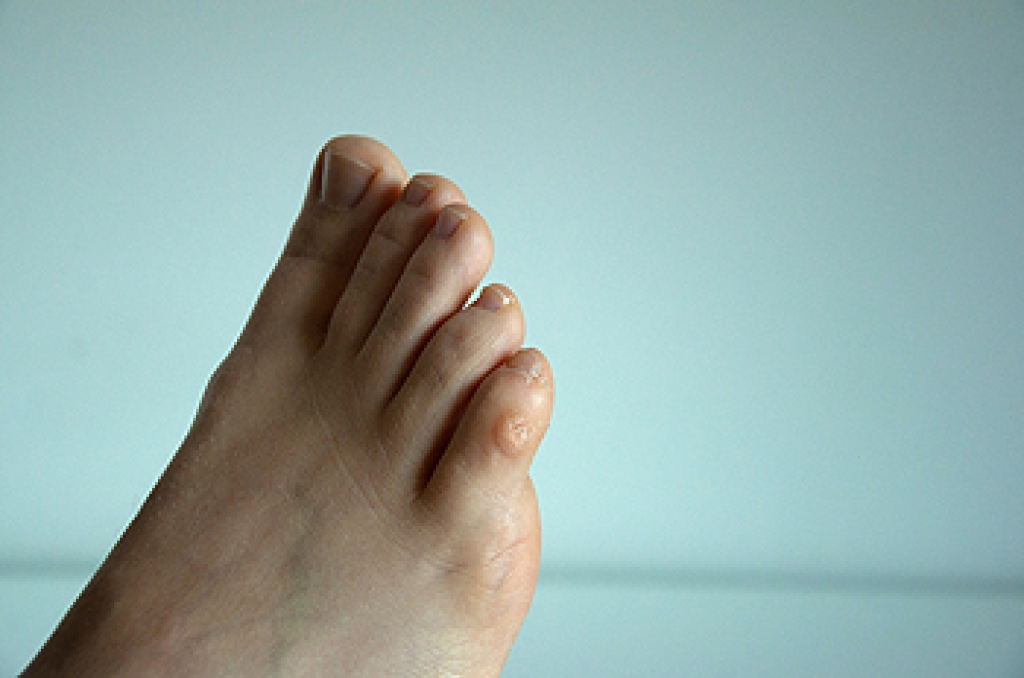
Corns on the feet develop when the skin thickens to protect itself from repeated pressure or friction. They most often appear on the top and sides of the toes or on weight-bearing areas of the feet. Unlike calluses, corns are usually smaller and have a hard center that can press into deeper tissue, making them painful when standing or walking. Tight-fitting shoes, toe deformities, and changes in the way you walk can all increase the risk of developing corns. Symptoms include tenderness, discomfort, or a small area of thickened skin that becomes painful with pressure. Although corns may seem minor at first, ongoing irritation can make daily activities more difficult if they are left untreated.


A podiatrist can determine whether a corn is causing your symptoms or if another foot condition is responsible. During an evaluation, the podiatrist examines the affected area, checks your foot structure, and looks for causes of repeated pressure. Treatment may include carefully removing thickened skin and reducing pressure on the affected area. A podiatrist may recommend medical devices or footwear modifications when appropriate. Professional care is especially important for people with diabetes, poor circulation, or reduced feeling in their feet because foot problems may become more serious without proper treatment. Early care can also help improve comfort and prevent recurring irritation.


Ignoring painful corns may lead to continued discomfort and increased stress on other parts of the foot. Receiving prompt corn treatment, foot pain treatment, and podiatry care can improve comfort and support healthy movement. Early treatment also helps address the underlying cause of repeated pressure to reduce the risk of recurring corns. A podiatrist develops a treatment plan based on your individual needs to help protect your long-term foot health. If you have painful corns or ongoing foot discomfort, it is suggested that you consult a podiatrist for an evaluation and appropriate treatment options.

If you have any concerns regarding your feet and ankles, contact one of our podiatrists of Omega Podiatry. Our doctors will treat your foot and ankle needs.

Corns: What Are They? and How Do You Get Rid of Them?
Corns can be described as areas of the skin that have thickened to the point of becoming painful or irritating. They are often layers and layers of the skin that have become dry and rough, and are normally smaller than calluses.

Ways to Prevent Corns
There are many ways to get rid of painful corns such as wearing:

  • Well-fitting socks
  • Comfortable shoes that are not tight around your foot
  • Shoes that offer support

Treating Corns
Treatment of corns involves removing the dead skin that has built up in the specific area of the foot. Consult with Our doctors to determine the best treatment option for your case of corns.

If you have any questions, please feel free to contact our offices located in Los Angeles, Huntington Park, and Reseda, CA . We offer the newest diagnostic and treatment technologies for all your foot care needs.

Read more about Corns: What Are They, and How Do You Get Rid of Them

Connect With Us

Advanced Podiatric Procedures & Services in the Los Angeles County, CA: Los Angeles (Long Beach, Glendale, Torrance, Pasadena, Santa Monica), Huntington Park (Downey, Norwalk, Compton, lynwood) & Reseda (Santa Clarita, Thousand Oaks, Burbank) areas