What Causes Bunions and How They Affect Foot Health

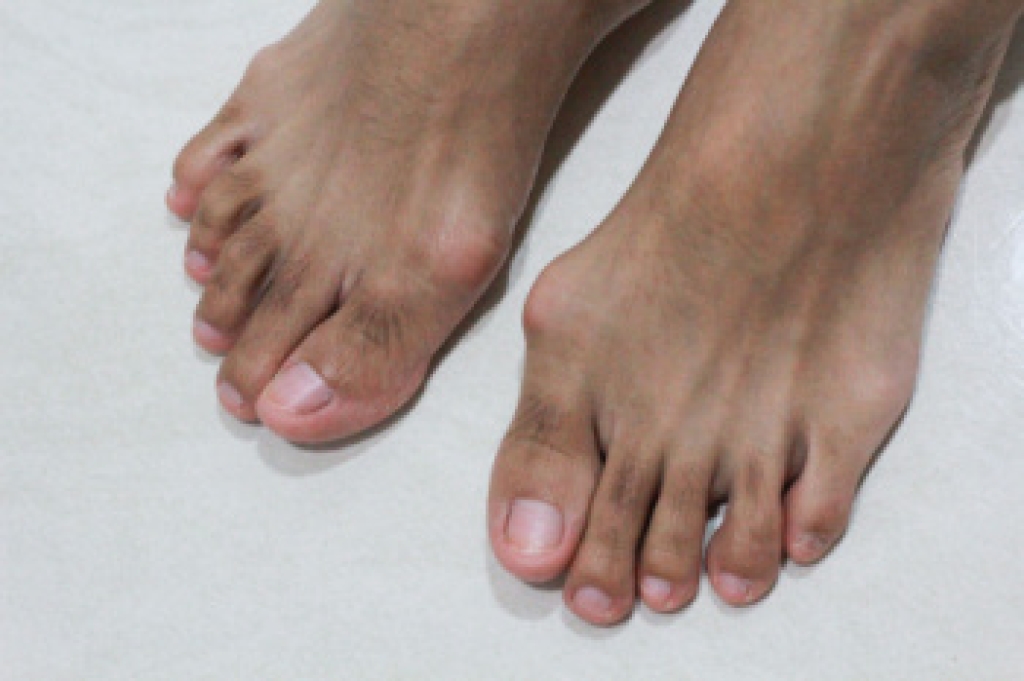
A bunion is a bony enlargement that forms at the base of the big toe when the joint becomes misaligned. This condition, also known as hallux valgus, develops gradually as the big toe shifts toward the second toe, creating a visible bump on the side of the foot. Bunions are a common source of foot pain and can interfere with daily activities such as walking or standing. Over time, the joint may become stiff and inflamed, leading to reduced mobility. Understanding bunions is important for maintaining proper foot structure and preventing long term complications.

Symptoms of bunions often begin with mild discomfort and progress as the deformity worsens. Individuals may notice swelling, redness, and tenderness surrounding the big toe joint. Pain may increase when wearing tight or narrow shoes, especially those with a pointed toe box. Some people experience callus formation due to friction between the toes, while others develop limited movement in the joint. In more advanced cases, the big toe may overlap or press against neighboring toes, causing additional irritation and imbalance.

Several risk factors contribute to the development of bunions. Genetics play a significant role, as inherited foot structure can predispose individuals to joint misalignment. Wearing ill-fitting or high-heeled shoes increases pressure on the forefoot and accelerates the condition. Flat feet, ligament laxity, and certain medical conditions, such as arthritis, also raise the risk. Occupations or activities that involve prolonged standing or repetitive stress on the feet may further contribute to bunion formation. Recognizing these factors can help guide prevention and early management.

The primary cause of bunions is an imbalance in the forces acting on the foot, which leads to joint instability over time. Poor footwear choices, structural abnormalities, and abnormal gait patterns all contribute to this imbalance. Early attention to symptoms can slow progression and reduce discomfort. Wearing supportive shoes, custom orthotics, and lifestyle adjustments may provide relief. If you have a bunion, it is suggested you consult a podiatrist for an accurate diagnosis and appropriate treatment.

If you are suffering from bunion pain, contact one of our podiatrists of Omega Podiatry. Our doctors can provide the care you need to keep you pain-free and on your feet.

What Is a Bunion?

Bunions are painful bony bumps that usually develop on the inside of the foot at the joint of the big toe. As the deformity increases over time, it may become painful to walk and wear shoes. Women are more likely to exacerbate existing bunions since they often wear tight, narrow shoes that shift their toes together. Bunion pain can be relieved by wearing wider shoes with enough room for the toes.

Causes

  • Genetics – some people inherit feet that are more prone to bunion development
  • Inflammatory Conditions - rheumatoid arthritis and polio may cause bunion development

Symptoms

  • Redness and inflammation
  • Pain and tenderness
  • Callus or corns on the bump
  • Restricted motion in the big toe

In order to diagnose your bunion, your podiatrist may ask about your medical history, symptoms, and general health. Your doctor might also order an x-ray to take a closer look at your feet. Nonsurgical treatment options include orthotics, padding, icing, changes in footwear, and medication. If nonsurgical treatments don’t alleviate your bunion pain, surgery may be necessary.

If you have any questions, please feel free to contact our offices located in Los Angeles, Huntington Park, and Reseda, CA . We offer the newest diagnostic and treatment technologies for all your foot care needs.
Read more about Bunions

Diagnosing Diabetic Foot Ulcers Early

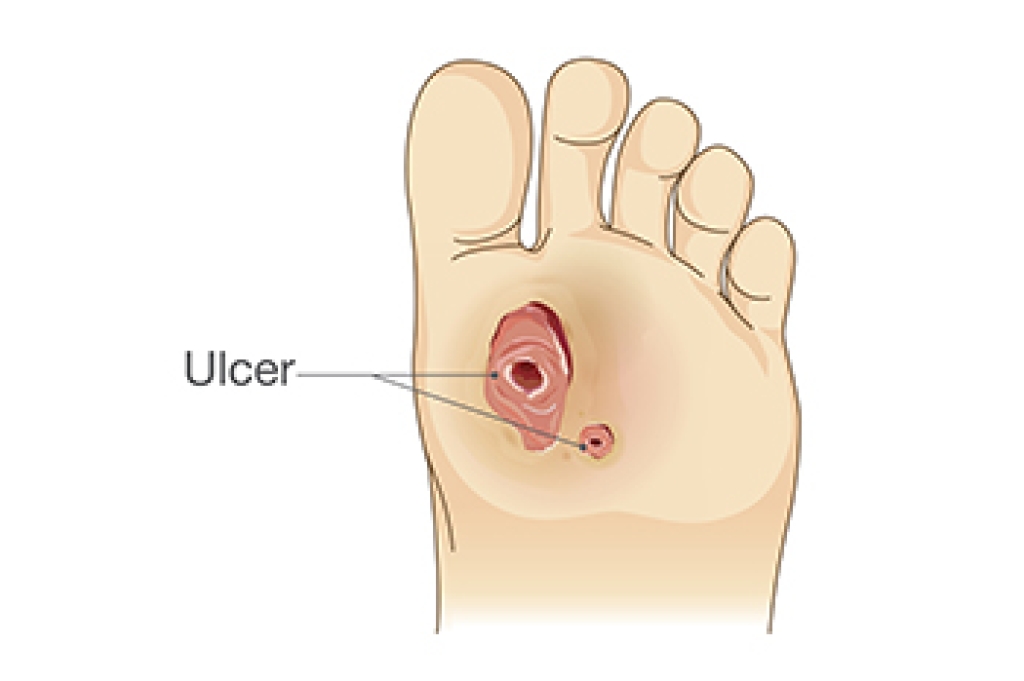
A diabetic foot ulcer is an open sore or wound that develops due to pressure, poor circulation, nerve damage, or delayed healing associated with diabetes. Proper diagnosis begins with a detailed foot examination, including assessment of wound size and depth, drainage, tissue appearance, and signs of infection. A podiatrist will also evaluate circulation, since reduced blood flow can slow healing, and test sensation to identify nerve damage that may prevent a patient from feeling injury. Imaging may be recommended if there is concern for deeper tissue involvement, bone infection, or structural problems. Medical history, blood sugar control, footwear habits, and walking patterns also help guide diagnosis and treatment planning. If you have diabetes and notice a wound on your foot that is not healing, it is suggested that you are under the care of a podiatrist who can help you to manage this serious condition.

Wound care is an important part in dealing with diabetes. If you have diabetes and a foot wound or would like more information about wound care for diabetics, consult with one of our podiatrists from Omega Podiatry. Our doctors will assess your condition and provide you with quality foot and ankle treatment.

What Is Wound Care?

Wound care is the practice of taking proper care of a wound. This can range from the smallest to the largest of wounds. While everyone can benefit from proper wound care, it is much more important for diabetics. Diabetics often suffer from poor blood circulation which causes wounds to heal much slower than they would in a non-diabetic. 

What Is the Importance of Wound Care?

While it may not seem apparent with small ulcers on the foot, for diabetics, any size ulcer can become infected. Diabetics often also suffer from neuropathy, or nerve loss. This means they might not even feel when they have an ulcer on their foot. If the wound becomes severely infected, amputation may be necessary. Therefore, it is of the upmost importance to properly care for any and all foot wounds.

How to Care for Wounds

The best way to care for foot wounds is to prevent them. For diabetics, this means daily inspections of the feet for any signs of abnormalities or ulcers. It is also recommended to see a podiatrist several times a year for a foot inspection. If you do have an ulcer, run the wound under water to clear dirt from the wound; then apply antibiotic ointment to the wound and cover with a bandage. Bandages should be changed daily and keeping pressure off the wound is smart. It is advised to see a podiatrist, who can keep an eye on it.

If you have any questions please contact our offices located in Los Angeles, Huntington Park, and Reseda, CA . We offer the newest diagnostic and treatment technologies for all your foot and ankle needs.

Read more about Wound Care

Understanding the Three Levels of Turf Toe

Turf toe is an injury involving the joint at the base of the big toe, usually caused when the toe bends too far upward during sports or sudden forceful movement. Mild cases involve stretching of the surrounding soft tissues, causing tenderness, mild swelling, and discomfort with push-off movements. Moderate injuries involve partial tearing, often leading to more noticeable swelling, bruising, reduced movement, and pain during walking. Severe cases involve significant tissue damage or complete tearing, making weight-bearing difficult and causing marked pain, instability, and substantial swelling. Because the big toe plays an important role in balance and forward movement, even less severe injuries can affect activity and recovery, if ignored. A podiatrist can evaluate the extent of injury, recommend imaging when needed, and guide proper treatment to support healing. If you have pain in your big toe after sports or sudden foot injury, it is strongly suggested that you visit a podiatrist for appropriate care.

Toe pain can disrupt your daily activities. If you have any concerns, contact one of our podiatrists of Omega Podiatry. Our doctors can provide the care you need to keep you pain-free and on your feet.

What Causes Toe Pain?

Most severe toe pain is caused due to a sports injury, trauma from dropping something heavy on the toe, or bumping into something rigid. Other problems can develop over time for various reasons.

Toe pain can be caused by one or more ailments. The most common include:

  • Trauma
  • Sports injury
  • Wearing shoes that are too tight
  • Arthritis
  • Gout
  • Corns and calluses
  • Hammertoe
  • Bunions
  • Blisters
  • Ingrown toenails
  • Sprains
  • Fractures (broken bones)
  • Dislocations

When to See a Podiatrist

  • Severe pain
  • Persistent pain that lasts more than a week
  • Signs of infection
  • Continued swelling
  • Pain that prevents walking

Diagnosis

In many cases the cause of toe pain is obvious, but in others, a podiatrist may want to use more advanced methods to determine the problem. These can range from simple visual inspections and sensation tests to X-rays and MRI scans. Prior medical history, family medical history, and any recent physical traumatic events will all be taken into consideration for a proper diagnosis.

Treatment

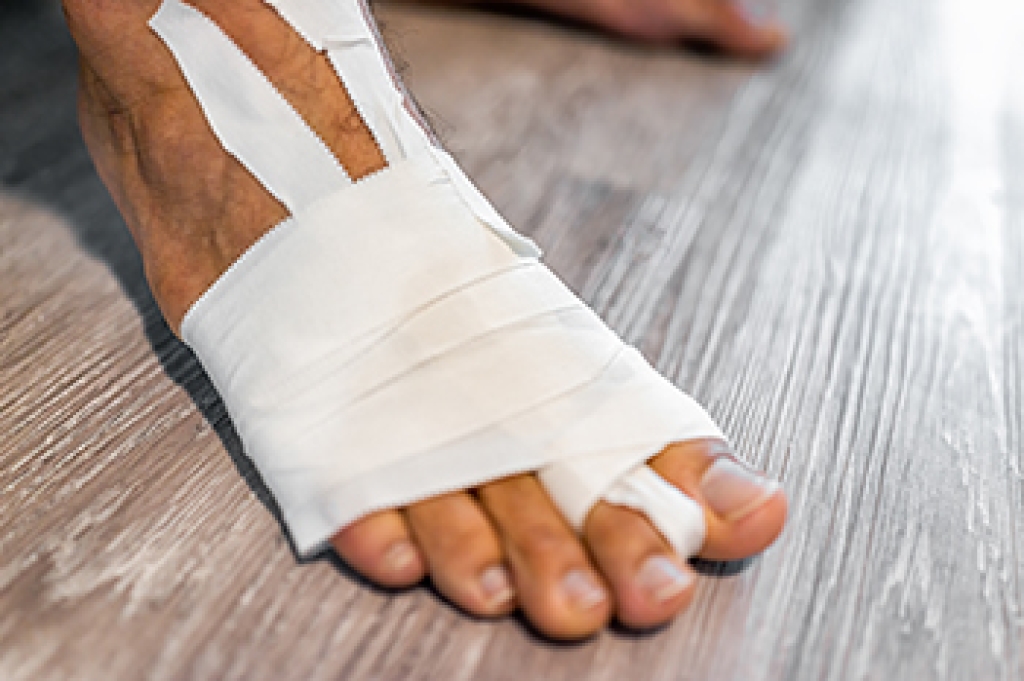
Treatments for toe pain and injuries vary and may include shoe inserts, padding, taping, medicines, injections, and in some cases, surgery. If you believe that you have broken a toe, please see a podiatrist as soon as possible.

If you have any questions please contact our offices located in Los Angeles, Huntington Park, and Reseda, CA . We offer the newest diagnostic and treatment technologies for all your foot and ankle needs.

Read more about Toe Pain

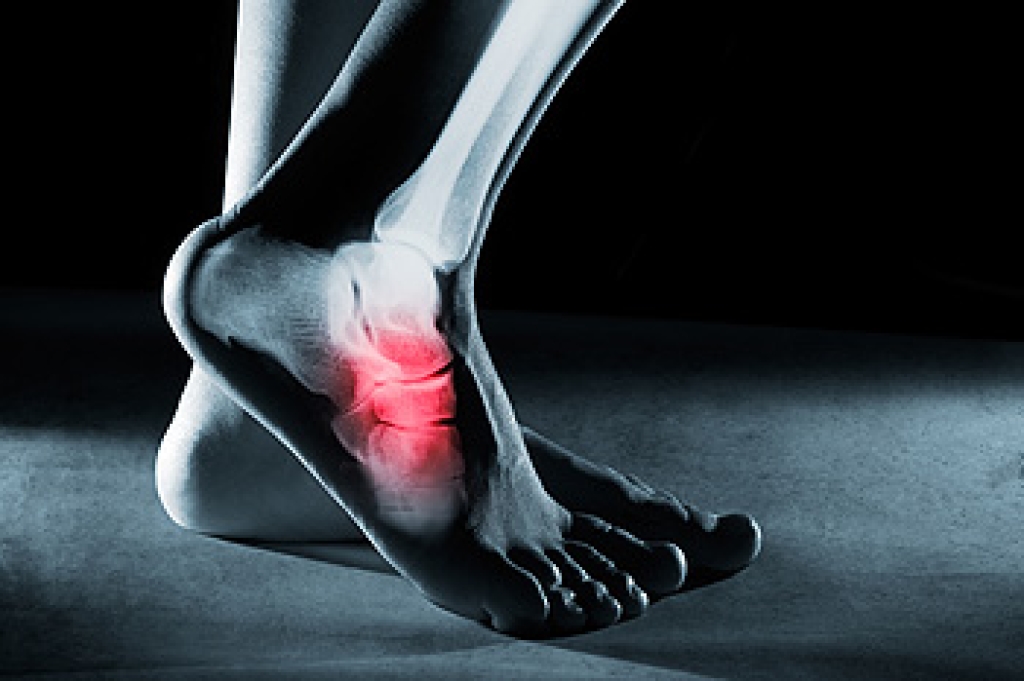
Heel Pain in the Morning?

Heel pain can negatively affect your day-to-day life. Simple activities like walking can become incredibly uncomfortable or painful due to heel pain.

Don’t live with heel pain and get treated.

5th Metatarsal Fractures Explained

A fracture of the fifth metatarsal is a break in the long bone on the outer side of the foot. This injury is common in athletes and dancers because of repeated stress, quick direction changes, and high impact activity. It may appear as pain along the outer foot, swelling, bruising, and difficulty walking or placing weight on the foot. Some fractures happen suddenly from a twist or fall, while others develop gradually from overuse. Because this area has a limited blood supply, proper evaluation is important for healing. A podiatrist can identify the type of fracture with imaging and determine the best course of treatment. Care may include immobilization or surgical support to ensure proper alignment and recovery. If you have a foot fracture, it is suggested that you consult a podiatrist who can offer the treatment that is best for you.

A broken foot requires immediate medical attention and treatment. If you need your feet checked, contact one of our podiatrists from Omega Podiatry. Our doctors can provide the care you need to keep you pain-free and on your feet.

Broken Foot Causes, Symptoms, and Treatment

A broken foot is caused by one of the bones in the foot typically breaking when bended, crushed, or stretched beyond its natural capabilities. Usually the location of the fracture indicates how the break occurred, whether it was through an object, fall, or any other type of injury. 

Common Symptoms of Broken Feet:

  • Bruising
  • Pain
  • Redness
  • Swelling
  • Blue in color
  • Numbness
  • Cold
  • Misshapen
  • Cuts
  • Deformities

Those that suspect they have a broken foot shoot seek urgent medical attention where a medical professional could diagnose the severity.

Treatment for broken bones varies depending on the cause, severity and location. Some will require the use of splints, casts or crutches while others could even involve surgery to repair the broken bones. Personal care includes the use of ice and keeping the foot stabilized and elevated.

If you have any questions, please feel free to contact our offices located in Los Angeles, Huntington Park, and Reseda, CA . We offer the newest diagnostic and treatment technologies for all your foot care needs.

Read more about Causes, Symptoms, and Treatment for a Broken Foot

Connect With Us

Advanced Podiatric Procedures & Services in the Los Angeles County, CA: Los Angeles (Long Beach, Glendale, Torrance, Pasadena, Santa Monica), Huntington Park (Downey, Norwalk, Compton, lynwood) & Reseda (Santa Clarita, Thousand Oaks, Burbank) areas