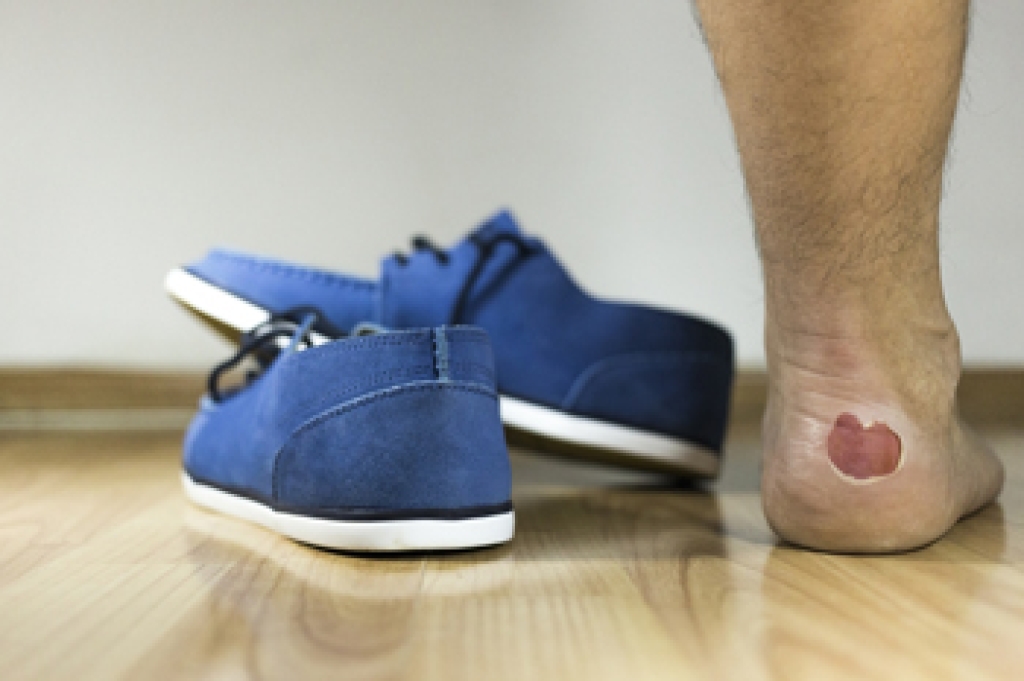
Foot blisters are small, fluid-filled pockets that develop when the skin is damaged or irritated. They commonly appear in areas exposed to repeated rubbing, pressure, or moisture. Symptoms may include tenderness, redness, and a raised area filled with clear fluid. Wearing poorly fitted shoes, increasing activity quickly, or walking for long periods of time can increase the risk. Most blisters heal with protection, but recurring or unusual blisters deserve professional evaluation.
Frostbite is another possible cause of foot blisters and develops when skin and underlying tissues freeze after prolonged exposure to extreme cold. Blisters may appear after the affected area begins warming. Frostbite can also cause numbness, pale or bluish skin, and severe pain. Risk increases with extended cold exposure, wet footwear, and inadequate protection. Frostbite requires prompt medical attention because deeper tissue damage can occur. Do not intentionally pop frostbite blisters.
An allergic reaction can also cause blistering when the skin reacts to an irritating substance or allergen. New footwear materials, adhesives, or topical products may trigger contact dermatitis. Symptoms can include itching, redness, swelling, and small blisters. Fungal infections are another potential cause, particularly when athlete’s foot affects the skin between the toes. Fungal symptoms may include itching, scaling, and fluid-filled areas. Warm, damp environments and sweaty footwear increase infection risk.
A podiatrist can examine the skin, review your footwear and activities, and determine the likely cause of recurring blisters. Treatment may include protecting the area, recommending appropriate footwear, or addressing an allergic trigger. For suspected frostbite, urgent medical evaluation is important. Avoid popping blisters unless specifically directed by a podiatrist, and keep the area clean and protected. If you frequently develop blisters on your feet, it is suggested that you consult a podiatrist for effective relief and prevention tips, an accurate diagnosis and appropriate treatment.
Blisters are prone to making everyday activities extremely uncomfortable. If your feet are hurting, contact one of our podiatrists of Omega Podiatry. Our doctors can provide the care you need to keep you pain-free and on your feet.
Foot Blisters
Foot blisters develop as a result of constantly wearing tight or ill-fitting footwear. This happens due to the constant rubbing from the shoe, which can often lead to pain.
What Are Foot Blisters?
A foot blister is a small fluid-filled pocket that forms on the upper-most layer of the skin. Blisters are filled with clear fluid and can lead to blood drainage or pus if the area becomes infected.
How Do Blisters Form?
Blisters on the feet are often the result of constant friction of skin and material, usually by shoe rubbing. Walking in sandals, boots, or shoes that don’t fit properly for long periods of time can result in a blister. Having consistent foot moisture and humidity can easily lead to blister formation.
Prevention & Treatment
It is important to properly care for the affected area in order to prevent infection and ease the pain. Do not lance the blister and use a Band-Aid to provide pain relief. Also, be sure to keep your feet dry and wear proper fitting shoes. If you see blood or pus in a blister, seek assistance from a podiatrist.
If you have any questions, please feel free to contact our offices located in Los Angeles, Huntington Park, and Reseda, CA . We offer the newest diagnostic and treatment technologies for all your foot care needs.
